







Search Results for: African tea

Which country ranks first in tea production in Africa? A detailed look at the flavors and health benefits of nine distinctive African teas
Africa is not only famous for coffee—its tea production is equally noteworthy. Kenya ranks as the world's third-largest tea producer and the leading tea-producing country in Africa. From anthocyanin-rich Kenyan purple tea to South Africa's unique rooibos and honeybush teas, and from North African mint tea to Ethiopian spiced tea, diverse tea traditions have emerged across the continent. This article profiles nine teas produced in Africa, covering their origins, production methods, flavor characteristics, and health benefits, helping coffee lovers expand their understanding of African beverages. Front Street Coffee will also recommend African teas worth trying. [more…]

Mixue Kenya store prices bubble tea at 580 shillings, sparking heated debate among African netizens over whether the price is high or low.
A cup of bubble tea costs only a few yuan to a dozen yuan in China, but at a Mixue Bingcheng store in Nairobi, Kenya, the menu price is as high as 580 Kenyan shillings, equivalent to about 32 yuan. A Chinese netizen in Africa photographed the price list and posted about it with astonishment, sparking discussions among Chinese people in various places. Some believe that local prices are already high, so this pricing is not outrageous; others, comparing it with places like Congo and Zimbabwe where a cup of milk tea often costs ten US dollars, exclaimed that Mixue Bingcheng is "really conscientious." This article will trace the origins and development of this price discussion and explore the cost logic behind Chinese tea beverage brands going overseas to Africa. [more…]
A Complete Analysis of the Flavor Differences Between African and American Beans: A Cup-by-Cup Comparison of Terroir from Yirgacheffe to Costa Rica
Coffee lovers often face a choice: do they prefer bright fruity acidity, or balanced richness? African growing regions and American growing regions happen to represent two completely different flavor directions. African beans are known for floral and fruity notes, with a light body like fruit tea; American beans emphasize caramel, nut, and chocolate tones, with a smooth, creamy texture. This article will compare Front Street Ethiopia Yirgacheffe, Limu, Burundi African Heart, as well as Costa Rica honey process, Honduras San Juan Chito, and other beans one by one, from growing region environment, variety characteristics, and processing methods to the final cupping flavor, to help you find the cup that best suits your taste when brewing pour-over. [more…]

An Overview of African Coffee-Producing Countries: Flavor and Origin Analysis of Specialty Beans from Five Countries Including Ethiopia and Kenya
Africa lies around the equator and is globally recognized as the cradle of premium coffee. It is home to Ethiopia, the birthplace of coffee, as well as Kenya, known for its intense acidity, and Tanzania, Rwanda, and Burundi, each with its own distinctive production regions. Front Street Coffee has selected a range of African beans, from the floral and citrus notes of Yirgacheffe to the cherry tomato character of Kenya, and the delicate smoothness of Rwanda—every country presents a completely different terroir personality. This article systematically outlines the geographical environment, cultivation methods, main production regions, and signature bean flavors of five African coffee-producing countries, helping coffee enthusiasts build a clear framework for understanding African coffee. [more…]

African Single-Origin Coffee Beans | What Coffee Regions Are There in Rwanda? What Coffee Varieties Are Mainly Grown? What Coffee Flavors Does Rwandan Washed Red Bourbon Present?
When it comes to African coffee-producing countries, Front Street Coffee believes that "Ethiopia," "Tanzania," or "Kenya" are the first nations that come to everyone's mind. But besides these well-known larger countries, Africa also has quite a few smaller countries producing excellent coffee! For example, what Front Street Coffee is going to share today [more…]
Flavor Map of Five African Coffee Countries: Bean Variety Characteristics of Ethiopia, Kenya, Tanzania and Other Origins
Africa lies around the equator and is globally recognized as a high-quality coffee-producing region, with Ethiopia and Kenya being particularly well-known coffee powers. Among the Ethiopian coffees sold by Front Street Coffee, Yirgacheffe is the most famous, offering floral and citrus notes when brewed; while Front Street's Kenyan coffee presents a distinct cherry tomato flavor. This article will systematically review the coffee variety characteristics, main producing areas, and flavor differences of five African coffee-producing countries—Ethiopia, Kenya, Tanzania, Rwanda, and Burundi—and include the corresponding Front Street products' regions, altitudes, processing methods, and flavor descriptions, to help coffee enthusiasts build a clear cognitive framework for African coffee. [more…]
African Fine Coffees Association (AFCA) and the Taste of Harvest (TOH) Competition: A Full Analysis of the Competition That Made Ethiopia's Huakui Coffee Beans Famous
Ethiopia, as Africa's largest coffee-producing country and the widely recognized birthplace of coffee, is deeply favored by enthusiasts for its distinctive floral and citrus flavor notes. When it comes to the representative of Ethiopian natural-process beans, many people immediately think of "Huakui." This naturally processed coffee from the Buku Abel washing station in the Guji Hambela region rose to fame after winning the natural-process category at the 2017 TOH green bean competition. So what exactly is the TOH competition? And what kind of organization is AFCA, its organizer? This article will walk you through the membership structure of the African Fine Coffees Association, the competition format and tiers of the TOH, and how the event helps African coffee-producing countries improve quality and expand international trade. [more…]
An Analysis of the Grading Differences Between Kenya Black Tea Grade 1 and Grade 2 and Their Quality Characteristics
Kenya is not only a tourist destination, but also an important black tea producing region globally. Since the introduction of tea cultivation in 1903, Kenya has developed into the world's third-largest tea producer and exporter. Local tea gardens are mainly distributed in the highlands of the East African Rift Valley, with the industry structure composed of large estates and smallholder cooperatives, among which KTDA manages over 60% of the output. Kenyan black tea is primarily processed using the CTC method, producing a strong and bright liquor that is highly favored in the international market. This article will provide a detailed analysis of the grading system for Kenyan black tea, including the specific differences between main grades such as BP1, PF1, D1, PD, F1, and secondary grades, helping coffee and tea enthusiasts gain a comprehensive understanding of the quality characteristics and classification logic of Kenyan black tea. [more…]
Tanzania Kilimanjaro Coffee Pour-Over Flavor Analysis and African Coffee Region Grading Standards
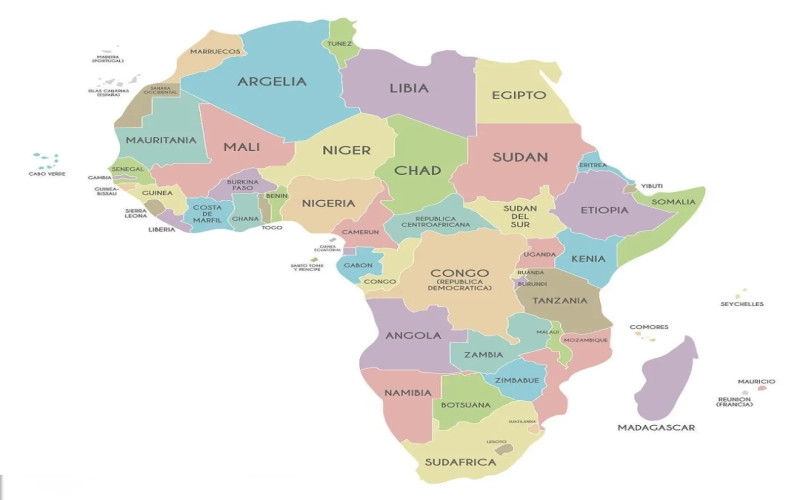
The African continent is dominated by plateaus and is known as the "Plateau Continent." Among its regions, East Africa, with its high altitudes, volcanic soil, and abundant water sources, has become an important producing area for specialty coffee. As one of East Africa's representative producing countries, Tanzania has long been known as the "Coffee Gentleman," and its Kilimanjaro region is especially famous. This article will introduce Tanzania's geographical and climatic conditions, coffee-growing history, distribution of major producing regions, and a grading system based on coffee bean size. At the same time, Front Street Coffee's Kilimanjaro beans will serve as an example to show the flavor performance of washed Typica in pour-over brewing—soft acidity, citrus and berry aromas, honey-nut sweetness, and a balanced tea-like mouthfeel. [more…]
A Complete Analysis of African Coffee Origins, Flavors, and Processing Methods: Bean Characteristics of Ethiopia, Kenya, and Other Countries
As the continent of coffee's origin, Africa produces beans renowned worldwide for their bold aromas and lively fruit acidity. Due to arid climates, the natural process has become a traditional choice in many producing regions; while the bean shape may not be perfect, it gives rise to richly layered flavors. From Ethiopia's Yirgacheffe to Kenya's SL28, from Burundi's double washing to Rwanda's Bourbon, each producing region has a unique terroir expression. This article systematically reviews the cultivation patterns, processing techniques, and flavor characteristics of Africa's major coffee-producing countries, and introduces several representative African single-origin coffees from Front Street Coffee, guiding you to a deeper understanding of this continent's coffee charm. [more…]
Ethiopian Yirgacheffe Aricha Coffee Beans: Flavor Analysis of the ASD Anaerobic Slow-Dry Sun-Drying Process
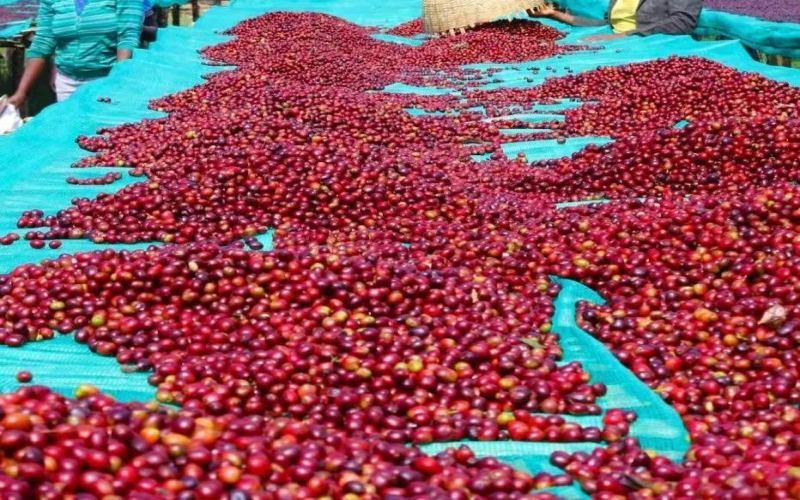
Ethiopia, as the birthplace of coffee, has nurtured countless native varieties. Among them, the Yirgacheffe region stands apart as its own appellation thanks to its distinctive floral and citrus notes, making it a focal point of attention for coffee lovers worldwide. Within Yirgacheffe's Konga Cooperative, the Armetilalo processing station cultivates coffee cherries at 2,200 meters on red soil and employs an Anaerobic Slow Dry (ASD) process, undergoing 120 hours of sealed fermentation and 5 weeks of slow drying to create a full-flavored specialty coffee. These Armetilalo coffee beans won both the Ethiopian National Competition and the Africa TOH championship in 2019/2020, with a cupping score of 90.7. Front Street Coffee has selected these beans and presents them with a medium-light roast, bringing out layers of citrus, berry, cream, rose tea, and white grape. This article will take an in-depth look at their regional background, processing method, and brewing performance. [more…]
2024 Ethiopia TOH Green Bean Competition: A Full Analysis of the Champion Origins in the Natural, Washed, and Honey Processing Categories
Africa, as the core region of the coffee-growing belt, has nurtured many high-quality coffee-producing countries, among which Ethiopia is widely recognized as the birthplace of coffee. The African Fine Coffees Association (AFCA), established in 2000, launched the Taste of Harvest (TOH) competition, whose format is similar to that of the Cup of Excellence (COE) and is divided into national competitions and the Africa regional final. In 2024, the Ethiopia TOH competition was held in Addis Ababa, with a total of 75 companies and 212 Arabica coffee entries participating. This article will introduce in detail the origin backgrounds and processing details of the natural group champion Testi Trading Plc, the washed group champion Eseham Trading plc, and the honey process group champion Yihonal Trading plc, and will also include relevant recommendations from Front Street Coffee. [more…]

Africa Double Champion Front Street Amadelaro: A Complete Flavor Analysis of the Ethiopian Anaerobic Slow-Drying Process
At the Amederaro processing station, perched at 2,200 meters above sea level, an Ethiopian coffee bean known as Front Street Amederaro is born. It undergoes anaerobic slow drying: after harvesting, only fully ripe cherries are carefully selected and slowly fermented in an oxygen-free environment, ultimately revealing a complex flavor profile with top notes of passion fruit, interwoven with honey and champagne nuances, a full-bodied juice-like mouthfeel, and a subtle hint of rose tea. This bean clinched consecutive victories in the 2019/20 TOH national competition and the African regional finals, rightfully earning the title of "Double Champion." Meanwhile, the Worka cooperative in the Yirgacheffe region has also introduced an anaerobic natural batch, offering a refreshing blend of floral notes with mango and lemon, perfect for summer enjoyment. This article will thoroughly dissect the processing techniques, flavor dimensions, and competition background of Amederaro, along with recommendations for other specialty-processed beans from the same region. [more…]

A Detailed Explanation of the Flavor Differences Between African and American Coffee Beans: Regional Characteristics and Processing Method Influences from Yirgacheffe to Costa Rica
The world of coffee flavors is like a rich and colorful scroll, with African beans and American beans each painting a completely different taste landscape. African beans, thanks to high altitudes and unique processing methods, bloom with a fascinating interweaving of floral and fruity aromas, and are deeply sought after by enthusiasts who prefer coffee with acidity; American beans, on the other hand, are known for their balanced mouthfeel, with the sweet aromas of caramel and stone fruits leaving a lingering aftertaste. This article will systematically sort out the flavor characteristics, variety information, and processing techniques of classic producing regions such as Ethiopia Yirgacheffe, Limu, Burundi, as well as Costa Rica and Honduras, while retaining relevant recommendations from the Front Street brand, to help coffee enthusiasts more clearly understand the differences and charm of the two major producing regions. [more…]
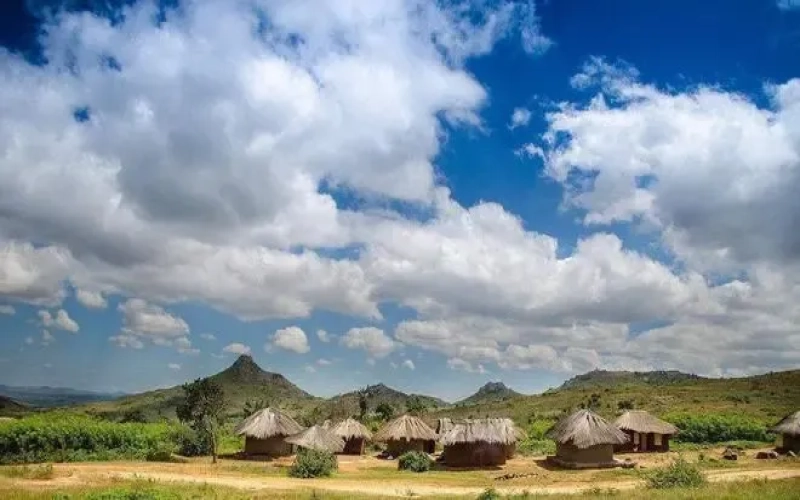
A Panoramic Scan of African Coffee-Producing Regions: An Overview of Malawi, South Africa, Uganda, and Niche Producing Countries
The African continent is blessed with unique highland, volcanic, and river resources, and its coffee-producing regions are widely distributed. In addition to Kenya and Ethiopia, there are several other producing countries worthy of attention. This article focuses on three countries—Malawi, South Africa, and Uganda—and outlines the rise and fall of their respective coffee industries, growing conditions, variety distribution, and flavor characteristics, while also briefly introducing producing regions such as Zambia, Côte d'Ivoire, Zimbabwe, and Angola, which have smaller output but are gradually recovering. The article also retains recommendation information related to the Front Street brand, making it easy for coffee enthusiasts to gain a comprehensive understanding of the diversity of African coffee. [more…]

Flavor comparison of Africa's five major coffee-producing countries: An analysis of varieties and taste characteristics in producing regions such as Ethiopia and Kenya
Africa, as the continent where coffee originated, has given birth to many world-famous coffee-producing countries. Ethiopia is known for the floral and citrus notes of Yirgacheffe, while Kenya has earned a reputation as the connoisseur's cup with its distinct cherry tomato flavor and bright acidity. Tanzania, Rwanda, and Burundi each have their own characteristics—some soft and sweet, some slender and silky, and some wild and intense. Front Street Coffee has selected five well-known African coffee beans, analyzing one by one each country's unique coffee charm and differences, from regional terroir, varieties, and processing to flavor and mouthfeel, taking you to appreciate the diverse character of African coffee. [more…]
African beans have bright fruity notes, American beans are rich and balanced: understanding the classic flavors of the two major regions in one article
In the world of coffee, origin largely determines the direction of flavor in the cup. African beans are known for their bold floral and fruity aromas, with lively, transparent acidity, like a glass of freshly squeezed juice; American beans, by contrast, excel in balance and harmony, with caramel and nutty sweetness interwoven and a smooth, delicate mouthfeel. This article will take you through three African representatives—Ethiopia Yirgacheffe Red Cherry, Limu G2, and Burundi Heart of Africa—as well as two renowned American beans, Costa Rica Honey Process and Honduras San Juan Guito, breaking down each one by terroir conditions, processing methods, and cup performance. Fruity-style and balanced-style go head-to-head on the same stage—which one will better capture your taste buds? [more…]
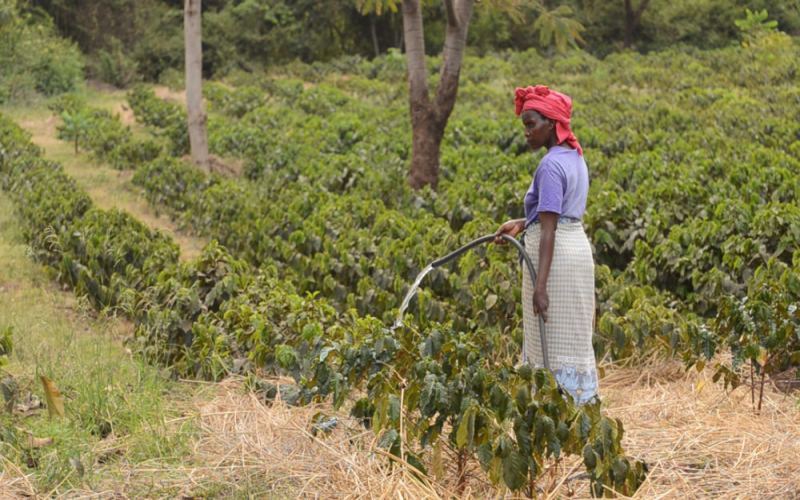
Tanzanian Kilimanjaro Coffee: A Full Analysis of Typica Variety, AA Grade, and Washed Processing Flavors
In the African coffee landscape, Tanzania, though less renowned than Ethiopia and Kenya, produces high-quality coffee with a delicate texture and soft acidity, thanks to the volcanic soil and high-altitude climate at the foot of Mount Kilimanjaro. This time, Front Street Coffee evaluates the Kilimanjaro AA, a Typica variety processed with the washed method, offering citrus, berry, and tea notes on the palate, along with honeyed sweetness. This article will guide you through the background of Tanzania's coffee-producing regions, variety characteristics, grading system, as well as Front Street's roasting curve and brewing parameters, providing a comprehensive interpretation of this "most African-characteristic" coffee. [more…]
African Coffee Origins Illustrated Guide: From Ethiopia to Tanzania, Exploring the Flavor Code of Floral Aromas and Fruity Acidity
As the continent where coffee originated, Africa is home to the world's most distinctive coffee flavors. From the citrus and floral notes of Ethiopia to the vivid berry and tomato characteristics of Kenya, and on to the unique regional expressions of Burundi, Rwanda, and Tanzania, African coffee has won over countless coffee lovers with its lively, bright fruit acidity and intense aromas. Front Street Coffee has long been deeply involved in African growing regions. This article will systematically review the regional characteristics, variety systems, processing methods, and flavor trends of Africa's major coffee-producing countries, and introduce Front Street's currently available African specialty coffee beans one by one, helping coffee enthusiasts build a complete framework for understanding African coffee. [more…]
Analysis of the Africa Harvest Season Flavor Competition TOH: How did Huakui Coffee win the championship in one fell swoop?
Ethiopia, as Africa's largest coffee-producing country and the birthplace of coffee, is renowned worldwide for its coffee's floral and citrus notes, thanks to its exceptional natural conditions. When it comes to the representative of Ethiopian natural-process beans, many people first think of "Floral Queen." This coffee, from the Buku Abel processing station in the Guji Hambela region, rose to fame after winning the 2017 TOH green bean competition. What exactly is the TOH competition? How does it differ from the COE Cup of Excellence? How does the African Fine Coffees Association (AFCA) organize this grand event? This article will give you a comprehensive understanding of the TOH Harvest Season Flavor Competition—its origins and development—as well as the rise to fame of Floral Queen coffee. It will also introduce the flavor profile of Floral Queen 8.0, currently available at Front Street Coffee. [more…]